2026-10-23 ·
Step-by-Step Homeowner Checks Before Spray Foam Removal in York
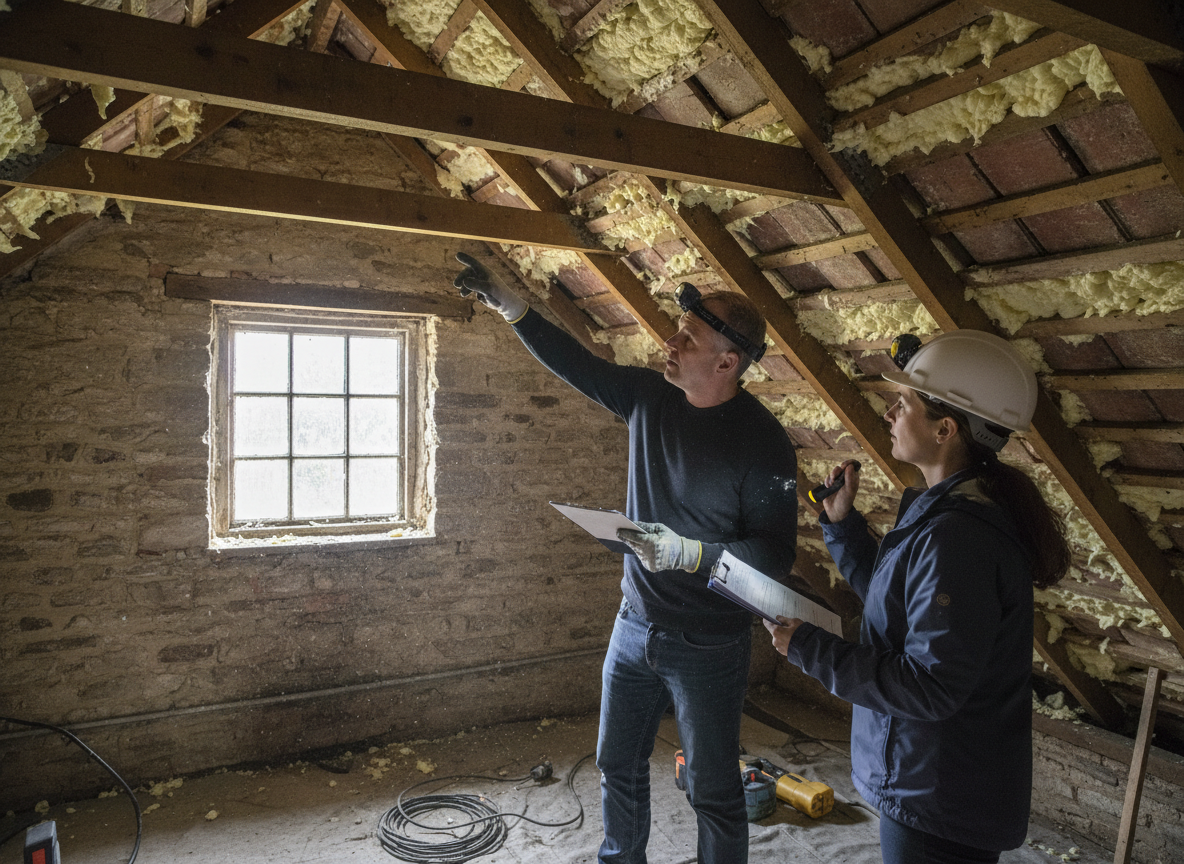
York homeowners should start by examining the loft for visible moisture stains and confirming whether open cell or closed cell foam was used, as these details directly shape the removal approach and any needed repairs in North Yorkshire properties.
Inspecting Loft Access and Insulation Type
Begin at the loft hatch to note how easily trades can reach the space and whether the foam covers rafters or sits between joists. Many York homes built before 1950 feature narrow hatches and low headroom that require temporary enlargement or specialist equipment. Walk the joists carefully to identify the foam's texture and thickness, since closed cell material bonds more tightly to timber than open cell. Record any areas where foam meets electrical cables or pipework, as these junctions often need extra protection during removal. Properties in Heslington and surrounding villages frequently show foam applied over original lath and plaster ceilings, which can crumble if disturbed without support boards underneath.
Checking for Moisture and Ventilation Issues
York's frequent rainfall and cool winters create condensation risks that homeowners must verify before work starts. Use a moisture meter on timber beams and any exposed brickwork to record readings above 18 percent, which signals hidden damp that removal crews must address first. Look for black mould patches along the eaves or ridge, common in unventilated lofts of Edwardian terraces near the city centre. Confirm that existing roof vents remain unobstructed, since blocked airflow can trap moisture released during foam extraction. Homes in the Tadcaster direction often sit on clay soils that hold water longer, increasing the chance of rising damp affecting lower wall cavities connected to the loft.
Assessing Structural and Neighbouring Impacts
Examine ceiling joists for sagging or previous repairs, as older York stock can show deflection once heavy foam is stripped away. Note any party wall connections in terraced rows, since vibration from removal tools can travel to adjacent properties in areas like Fulford. Check that loft insulation does not conceal original timber defects such as woodworm exit holes, which become visible only after foam is gone. Measure the total loft area in square metres to estimate debris volume and skip requirements, preventing unexpected site delays on narrow York streets with limited parking.
Reviewing Documentation and Next Steps
Gather any original installation invoices or product data sheets to share with removal teams, helping them select the correct method such as dry ice blasting spray foam removal. Owners of listed buildings should cross-reference the What Historic Building Owners in York Should Know Before Insulation Removal guide for planning considerations. Request an insulation assessment to document current conditions before work begins. Finally, compare findings against the Cost Factors for Spray Foam Removal in North Yorkshire Properties article to anticipate variables like access restrictions or waste disposal fees typical in the York area.